

Themed art cruise vo
What Exactly Is an Art Cruise? A Creative Travel Experience That Redefines Theme Cruises
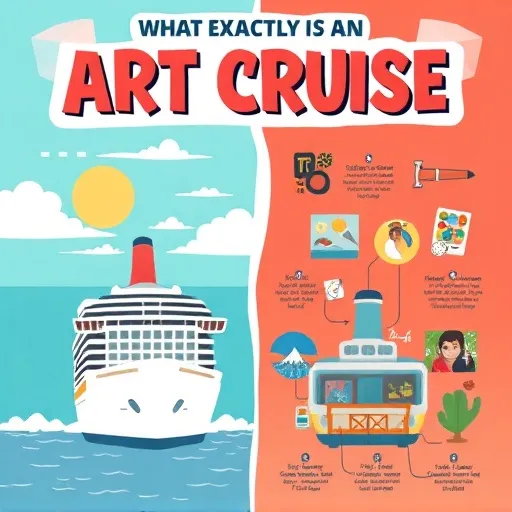
So you've heard the term "art cruise" floating around and you're wondering if it's just a fancy name for a paint-and-sip class at sea. Not even close. An art cruise is a fully themed voyage built around creative programming from the moment you step aboard. Instead of the usual lineup of game shows and lounge acts, you'll walk into studio sessions, curated exhibitions, guest lectures from working creatives, and design-focused shore excursions. Think of it as a floating artist residency with a pool deck attached. When people talk about art cruise vs regular cruise, this is the fundamental split: one is built around making, the other around entertainment.
Many of these sailings partner with galleries, design collectives, or independent curators to shape the onboard experience. That means you're not getting some watered-down craft hour — you're getting programming that's been thoughtfully designed by people who actually work in the creative industry. There's often a dedicated studio space, a small gallery wall that rotates throughout the voyage, and workshops ranging from watercolor and printmaking to digital illustration and photography. The art cruise vs regular cruise distinction becomes really obvious when you see the studio space — it's not a converted conference room, it's a real working environment.
What makes these trips stand out in 2026 is how far the format has evolved. A few years ago, "art-themed" often meant little more than a paint-and-sip class by the pool. Today, operators are designing full creative journeys with structured curricula, portfolio reviews, and collaborative projects that culminate in a final showcase on the last evening. That shift has attracted a new wave of travelers who want something more meaningful than a buffet and a bingo card. The art cruise vs regular cruise gap has never been wider — or more worth exploring.
Key Onboard Features and Creative Amenities That Define the Art Cruise vs Regular Cruise Experience
- Dedicated studio and gallery spaces on board
- Workshops led by working artists and designers
- Curated shore excursions to galleries, studios, and cultural sites
- Small-group creative sessions with personalized feedback
- End-of-voyage exhibitions and collaborative showcases
These amenities are the clearest signal of what separates an art cruise vs regular cruise. On a mainstream ship, the gallery is usually a park west-style sales operation. On an art cruise, the gallery is a living, breathing exhibit that evolves with the voyage.
What Defines a Regular Cruise? The Mainstream Cruise Experience Explained
A regular cruise is the classic mass-market voyage most people picture: large ships, packed daily activity schedules, Broadway-style production shows, multiple dining venues, casinos, spas, and kids' clubs. The appeal is breadth. You get a little bit of everything, and the ship is designed to keep thousands of passengers entertained simultaneously. These sailings are fantastic for families, first-timers, and anyone who wants a low-effort, high-variety vacation where the hardest decision is which restaurant to book. The art cruise vs regular cruise comparison always starts here — with the sheer scale and entertainment variety of the mainstream cruise.
In 2026, mainstream cruise lines have gotten very good at personalization. Apps handle everything from dinner reservations to activity scheduling, and onboard experiences are increasingly segmented by interest, so you can find fitness-focused mornings, food-and-wine afternoons, and live music evenings all in one itinerary. That said, the core DNA remains the same: broad appeal, high energy, and a schedule that rarely stops. The art cruise vs regular cruise divide isn't about good versus bad — it's about depth versus breadth.
Art Cruise vs Regular Cruise: A Side-by-Side Comparison of Programming and Daily Rhythm
On an art cruise, the daily rhythm tends to be slower and more intentional. Mornings might start with a sketch session on the observation deck, followed by a lecture on color theory or contemporary printmaking. Afternoons could include a guided critique or free studio time. Evenings are often reserved for screenings, artist talks, or informal salon-style discussions. The pace is deliberately unhurried, which appeals to travelers who find typical cruise schedules exhausting. This is the art cruise vs regular cruise difference in its purest form: one asks you to slow down, the other asks you to keep up.
A regular cruise moves fast. Trivia at ten, pool games at noon, a cooking demo at two, a production show at eight, and a comedy set at ten. It's designed so there's always something happening, and you can opt in or out at will. If you thrive on variety and spontaneity, this format is hard to beat. The art cruise vs regular cruise trade-off here is clear: structure and intention versus flexibility and volume.
Crowd Size, Social Atmosphere, and Community: The Art Cruise vs Regular Cruise Social Dynamic
Art-focused sailings are usually smaller, often on boutique vessels or chartered ships with a few hundred guests. That creates a more intimate social environment where you actually recognize faces by day three and conversations go deeper than "where are you from?" Many travelers report forming genuine friendships and creative collaborations that continue after the trip ends. When you weigh art cruise vs regular cruise for social connection, the smaller ship almost always wins.
Regular cruises are big. Really big. You'll meet plenty of people, but the experience is more anonymous and transactional. That's not a bad thing, especially if you're traveling with your own group and don't need the ship to supply your social circle. But if connection is a priority, the smaller format has a clear edge — and that's a huge part of the art cruise vs regular cruise conversation that often gets overlooked.
Cost and Value: Breaking Down the Art Cruise vs Regular Cruise Price Comparison
Here's where things get interesting. Art cruises often carry a premium because of the specialized programming, smaller ship capacity, and expert-led workshops. You're paying for curated experiences, not just a cabin and a buffet. Some travelers see this as excellent value, especially compared to booking separate art classes or retreats on land, which can cost thousands on their own. The art cruise vs regular cruise cost gap starts to shrink when you factor in what's included.
Regular cruises, by contrast, are built for scale and often deliver exceptional value per day, particularly on larger ships with more included amenities. If budget is your primary driver, mainstream sailings usually win on raw price. But if you calculate the cost of art workshops, gallery visits, and expert instruction separately, the themed option starts to look more reasonable than it first appears. It's worth running the numbers on both before you commit — the art cruise vs regular cruise math is rarely as straightforward as the sticker price suggests.
Destinations and Shore Time: How Ports of Call Differ in the Art Cruise vs Regular Cruise Debate
Art cruises tend to prioritize ports with strong cultural infrastructure: cities with renowned museums, design districts, artist colonies, and craft traditions. Shore excursions are often curated around creative themes, like a private gallery tour, a studio visit with a local maker, or an architecture walk. You spend less time at beach bars and more time in cultural spaces. This is a defining art cruise vs regular cruise distinction — the itinerary itself tells you which one you're on.
Regular cruises cover a much broader range of destinations, from beach-heavy itineraries to wildlife-focused routes and big-city port calls. Shore time is usually more flexible and less structured, so you can book a mainstream tour or explore on your own. If your idea of a perfect port day involves a snorkel trip and a taco stand, a regular cruise has you covered. The art cruise vs regular cruise choice often comes down to whether you'd rather spend a day in a museum or on a catamaran.
Onboard Amenities and Spaces: Design and Comfort in the Art Cruise vs Regular Cruise Comparison
Boutique art vessels often trade flashy amenities for design-forward interiors, quieter lounges, and dedicated creative spaces. You might not find a water slide or a go-kart track, but you will find a well-stocked studio, a library of art books, and a gallery that changes as the voyage progresses. The art cruise vs regular cruise contrast in ship design is stark — one is built for entertainment, the other for inspiration.
Mainstream ships are amenity powerhouses: multiple pools, water parks, rock walls, spas, casinos, and specialty restaurants. If you're traveling with kids or a group with mixed interests, this matters enormously. There's something for everyone, even if nobody's painting a watercolor seascape. The art cruise vs regular cruise question often resolves itself the moment you look at your travel group.
Who Each Voyage Suits Best: A Practical Art Cruise vs Regular Cruise Decision Guide
Let's make this practical. An art cruise is likely a great fit if you:
- Want a creative reset and structured time to make things
- Prefer smaller crowds and meaningful conversation
- Enjoy cultural shore excursions over beach days
- Are traveling solo, as a couple, or with a fellow creative
- Value expert instruction and curated programming
A regular cruise is probably the better call if you:
- Are traveling with kids or a multi-generational group
- Want maximum variety and entertainment options
- Prioritize budget and value per day
- Prefer flexibility over structured programming
- Love big-ship amenities like pools, shows, and casinos
Hybrid Options and Creative Add-Ons: The Blurring Line of Art Cruise vs Regular Cruise
Here's something a lot of travelers miss: the line between these two categories is blurring. In 2026, several mainstream operators now offer creative programming as an add-on, including pop-up studio sessions, artist-led workshops, and design-themed shore excursions. Meanwhile, some boutique art cruises have expanded their amenity offerings to include spa services, fitness classes, and more flexible dining. That means the art cruise vs regular cruise decision doesn't always have to be an either-or. If you want the energy of a bigger ship but the depth of creative programming, look for sailings that offer a "creative track" within a broader itinerary. These hybrid options are quietly becoming some of the most popular formats among travelers who want range and substance — a middle path that the old art cruise vs regular cruise framing never accounted for.
How to Choose Without Overthinking the Art Cruise vs Regular Cruise Dilemma
Start with one question: what do you want to feel at the end of the trip? If the answer is "inspired, rested, and like I made something," an art cruise is probably your match. If it's "entertained, relaxed, and like I got my money's worth," a regular cruise will likely deliver. From there, consider your travel companions, your budget, and how much structure you actually want. A few practical steps can help you settle the art cruise vs regular cruise question:
- List your top three priorities for the trip (rest, creativity, variety, value, connection)
- Compare total costs including workshops, excursions, and add-ons, not just the base fare
- Check the ship size and passenger count against your comfort level
- Read reviews from travelers with similar interests, not just generic ratings
- Look for sample daily schedules so you can picture the actual rhythm of the trip
The Bottom Line on Art Cruise vs Regular Cruise: Creative Fulfillment or Mainstream Entertainment?
There's no universal winner in the art cruise vs regular cruise debate, because the right choice depends entirely on what you want from your time at sea. Art cruises offer depth, connection, and creative fulfillment in a smaller, more intentional setting. Regular cruises deliver variety, value, and effortless entertainment at scale. In 2026, the smartest travelers aren't asking which is better in the abstract art cruise vs regular cruise matchup. They're asking which one fits this particular trip, with these particular people, at this particular moment. Once you answer that honestly, the art cruise vs regular cruise decision usually makes itself.
Whichever you choose, book early. Creative-themed sailings with limited cabins tend to fill up fast, and mainstream itineraries reward early planners with better pricing and cabin selection. Either way, you're getting time on the water, and that's rarely a bad thing — whether you're holding a paintbrush or a poolside cocktail, the art cruise vs regular cruise choice is a win-win when you pick the one that matches your travel style.